
Understanding the Commercial Roof Process
When it comes to protecting a building, the roof plays a crucial role. Whether you own a business or manage a commercial property, understanding the commercial roof process is essential. It helps you make informed decisions, avoid costly mistakes, and ensure your building stays safe and dry for years to come. I want to walk you through the key steps involved in commercial roof installation and what you should expect along the way.
What Is the Commercial Roof Process?
The commercial roof process is a series of steps that professionals follow to install or replace a roof on a commercial building. It’s different from residential roofing because commercial roofs are usually flat or low-sloped and cover larger areas. This means the materials, techniques, and timelines can vary significantly.
Here’s a simple breakdown of the process:
Inspection and Assessment
Before any work begins, a thorough inspection is done. This helps identify the current roof’s condition, any damage, and what materials will work best.
Planning and Material Selection
Based on the inspection, the roofing team will recommend materials. Common options include TPO, EPDM, PVC, modified bitumen, and built-up roofing. Each has its pros and cons depending on your building’s needs.
Preparation and Tear-Off
If the old roof needs to be removed, this step involves tearing it off carefully. Sometimes, a new roof can be installed over the existing one, but this depends on local codes and the roof’s condition.
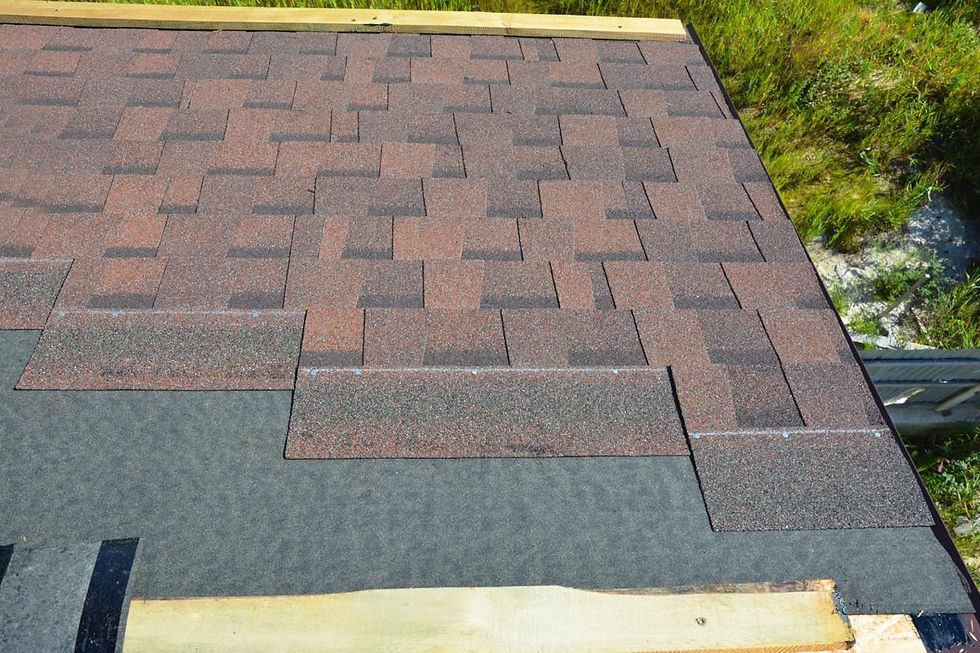
Installation
The new roofing materials are installed according to manufacturer guidelines and industry standards. This step requires precision to ensure durability and weather resistance.
Inspection and Cleanup
After installation, a final inspection ensures everything is done correctly. The site is cleaned up, and any debris is removed.
Understanding these steps helps you stay informed and confident throughout the project.

Why the Commercial Roof Process Matters
Knowing the commercial roof process is more than just curiosity. It’s about protecting your investment. A roof is a major part of your building’s structure. If it’s not installed correctly, you could face leaks, energy loss, and expensive repairs down the line.
Here are some reasons why the process is important:
Longevity: Proper installation extends the life of your roof.
Energy Efficiency: Choosing the right materials can reduce heating and cooling costs.
Safety: A well-installed roof protects occupants and contents from weather damage.
Compliance: Following local building codes avoids fines and insurance issues.
When you understand the process, you can ask the right questions and make sure your roofing contractor follows best practices.
Choosing the Right Materials for Your Roof
One of the most important parts of the commercial roof process is selecting the right materials. The choice depends on your building’s design, climate, budget, and how long you want the roof to last.
Here are some common commercial roofing materials:
TPO (Thermoplastic Olefin): A popular single-ply membrane known for its heat-reflective properties and energy efficiency.
EPDM (Ethylene Propylene Diene Monomer): A durable rubber roofing material that resists UV rays and weathering.
PVC (Polyvinyl Chloride): Similar to TPO but with added chemical resistance, ideal for roofs exposed to oils or grease.
Modified Bitumen: A multi-layered asphalt product that offers strong waterproofing.
Built-Up Roofing (BUR): Layers of bitumen and reinforcing fabrics that create a thick, durable roof.
Each material has its strengths. For example, TPO is great for hot climates because it reflects sunlight, while EPDM is excellent for colder areas due to its flexibility.

What to Expect During Installation
When the day of installation arrives, it’s helpful to know what will happen. The process can take anywhere from a few days to several weeks depending on the roof size and complexity.
Here’s what you can expect:
Site Preparation: The crew will set up safety barriers and protect surrounding areas.
Old Roof Removal: If necessary, the old roofing materials will be stripped away.
Repairs: Any damaged decking or structural issues will be fixed before new materials go down.
Installation of New Roof: Layers of insulation, membranes, and protective coatings are applied.
Sealing and Flashing: Edges, vents, and joints are sealed to prevent leaks.
Final Inspection: The roofing contractor will check the work and clean the site.
During this time, it’s normal to hear noise and see increased activity. Good communication with your contractor will keep you informed and comfortable.
Maintaining Your Commercial Roof After Installation
Once your new roof is installed, the job isn’t quite done. Regular maintenance is key to keeping it in top shape and extending its lifespan.
Here are some maintenance tips:
Regular Inspections: Schedule inspections at least twice a year and after major storms.
Clean Debris: Remove leaves, branches, and dirt that can trap moisture.
Check for Damage: Look for cracks, blisters, or punctures and repair them promptly.
Maintain Drainage: Ensure gutters and drains are clear to prevent water pooling.
Professional Maintenance: Hire roofing experts for thorough checkups and repairs.
Taking these steps helps avoid costly repairs and keeps your roof performing well.
Why Trust Matters in Roofing
Choosing the right roofing company is just as important as the materials and process. You want a team that is reliable, experienced, and committed to quality.
Here’s what to look for:
Local Experience: A company familiar with Fort Walton Beach’s climate and building codes.
Strong Reputation: Positive reviews and references from past clients.
Licensed and Insured: Proper credentials protect you and your property.
Clear Communication: Transparent pricing and project updates.
Warranty and Support: Guarantees on workmanship and materials.
Trusting the right professionals ensures your commercial roof installation goes smoothly and lasts for years.
If you want to learn more about the commercial roof installation process or need expert help, don’t hesitate to reach out to a trusted local roofing company.
Keeping Your Building Safe and Sound
A well-installed commercial roof is more than just a cover. It’s a shield that protects your building, your assets, and everyone inside. By understanding the commercial roof process, you can make smart choices and feel confident in your investment.
Remember these key points:
The process involves careful inspection, planning, and precise installation.
Material choice impacts durability and energy efficiency.
Regular maintenance keeps your roof in great condition.
Trustworthy contractors make all the difference.
Taking the time to understand and manage your commercial roof project will pay off with peace of mind and a strong, lasting roof over your head.


Comments