
How to Prepare Your Roof for Hurricane Season in Fort Walton Beach, FL

The best way to protect your Fort Walton Beach home during hurricane season is to prepare your roof before a storm is ever named. That means a thorough pre-season roof inspection, securing loose shingles and flashing, clearing your gutters, trimming back trees, and documenting your roof's condition for insurance. Doing this work now, while skies are clear, is far easier and far cheaper than scrambling once a system is churning in the Gulf.
We are Alex and Max Daugherty, brothers who have been roofing homes along the Emerald Coast since 1994. Here is how we help our neighbors get their roofs storm-ready before peak season arrives.
Why Coastal NW Florida Roofs Take a Beating
Living on the Gulf is a gift, but it puts your roof through more than roofs in most of the country ever face. Hurricane-force winds can pry up shingles at the edges and peel a roof back one row at a time. Wind-driven rain gets forced sideways under shingles, into vents, and up beneath soffits, finding any weak seam we would never notice on a calm day.
Then there is flying debris. Branches, loose shingles from a neighbor's roof, and unsecured yard items become projectiles that crack tiles and puncture roofing. And even between storms, our relentless coastal humidity and salt air quietly age roofing materials, loosen sealant, and encourage rot in decking and fascia.
Here in Fort Walton Beach, Mary Esther, Navarre, and Gulf Breeze, the Atlantic hurricane season runs June through November, but the real teeth of it are August and September. That makes right now the ideal window to get ahead of it.
Your Pre-Season Roof Prep Checklist
You can handle some of this yourself from the ground; the rest is best left to a professional who can safely get on the roof. Here is what a solid pre-season roof prep looks like:
Schedule a roof inspection. A trained eye catches small problems, like a lifted shingle or a hairline crack in sealant, long before they become an open door for wind and water.
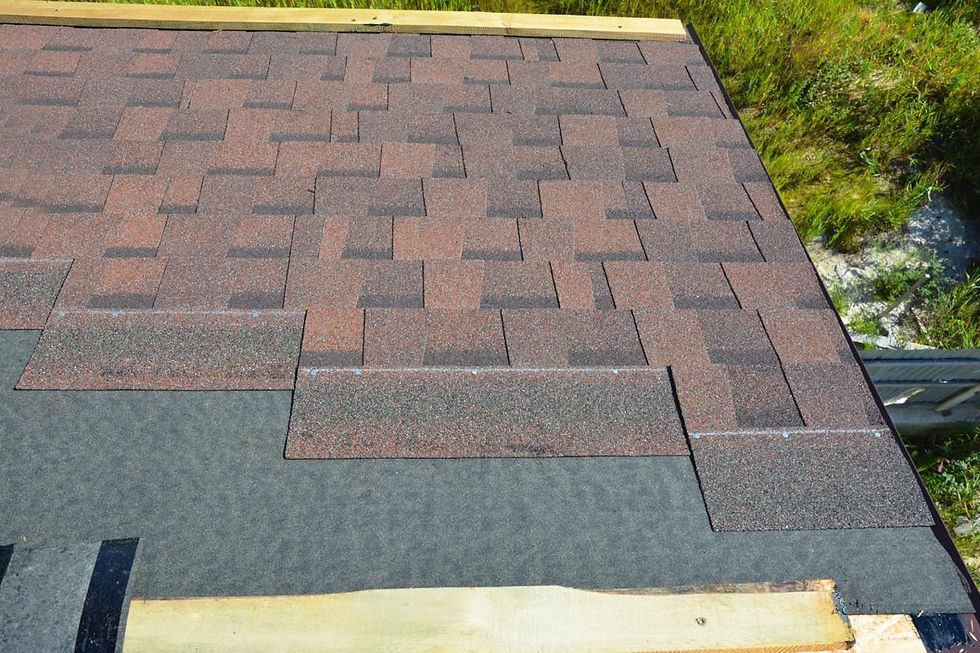
Secure loose or missing shingles. Any shingle that is curled, cracked, or already gone is a starting point for wind uplift. Replacing them now removes that weak spot.
Check sealant and flashing. Flashing around chimneys, vents, and valleys is where most leaks begin. Re-sealing worn spots keeps wind-driven rain out of the places it most wants to get in.
Clean gutters and downspouts. Clogged gutters let water back up under the roof edge. Clear drainage helps those heavy tropical downpours run off the way they should.
Trim overhanging trees. Cut back limbs that hang over or touch the roof so high winds cannot turn them into battering rams against your shingles.
Secure roof penetrations. Vents, pipe boots, and satellite mounts should be tight and well-sealed so they do not become leak points or blow loose.
Confirm attic and soffit ventilation. Proper airflow keeps humidity from building up in the attic year-round and helps your roof shed heat and moisture that shorten its life.
Document your roof's condition. Take dated photos and keep your inspection notes. If a storm does cause damage, clear before-and-after evidence makes the insurance process far smoother.
The federal guidance echoes this same idea: as NOAA advises homeowners to strengthen their homes before hurricane season, trimming trees, sealing openings, and getting an insurance checkup early all pay off long before a storm is on the map.
The Value of a Professional Pre-Season Inspection
You know your home, but a roof reveals its weak points only to someone who spends every day on them. When we walk a roof before hurricane season, we are looking for the details that matter most in high wind: how well the shingles are still adhered, whether the edges and starter course are locked down, the condition of every flashing detail, and any soft spots in the decking that signal hidden moisture.
The roof edge and the roof deck are where storm damage most often begins. Industry research from the Insurance Institute for Business and Home Safety, whose FORTIFIED Roof program shows how sealed decks, ring-shank nails, and locked-down edges dramatically cut storm damage, confirms what we see in the field: a roof that is tight at the edges and sealed underneath holds up far better when the wind arrives.
As a GAF Certified and Florida Certified Roofing Contractor, we give you honest advice about what actually needs attention and what can wait. Sometimes the most valuable outcome of an inspection is peace of mind that your roof is genuinely ready.
When to Call a Pro
Call us before the season peaks if your roof is more than ten years old, if you have noticed any interior stains or missing shingles, if it has been a few years since your last inspection, or if you simply want confidence heading into August and September. If a storm has already passed and you suspect damage, that is a different conversation, and we handle those roof repairs too, but this checklist is about getting ahead of the weather rather than reacting to it.
Frequently Asked Questions
When should I have my roof inspected for hurricane season?
Aim for late spring or early summer, well before the August-through-September peak. That timing gives us room to make any needed repairs while materials and schedules are open, rather than during the rush after a storm.
How often should a coastal Florida roof be inspected?
We recommend at least once a year for homes along the Gulf, and after any major storm. Our salt air, humidity, and intense sun age roofs faster than in most regions, so annual attention pays off.
Can I prepare my roof myself?
You can absolutely handle the ground-level work, cleaning gutters, trimming trees, and picking up loose yard items. Anything that requires getting on the roof, though, is best left to professionals for both your safety and an accurate assessment.
How do I know a roofer is properly licensed in Florida?
Ask for the contractor's license number and confirm it. You can verify any contractor through the Florida DBPR license verification portal. Our credentials are FL Certified Roofing Contractor CCC1326077 and FL Certified Solar Contractor CVC57246.
Does a pre-season inspection help with insurance?
Yes. Documenting your roof's condition before a storm gives you a clear baseline. If damage occurs, that dated record helps demonstrate what the storm caused and can make your claim smoother.
Get Your Roof Ready With A&M
Do not wait for a name in the Gulf to think about your roof. Let us give it a thorough, honest look while there is still time to do the work right. Schedule your pre-season roof inspection in Fort Walton Beach with A&M Construction, and we will tell you exactly where your roof stands and what, if anything, it needs. Whether you own an older home or newer residential roofing, we treat every roof like it is over our own family's head. Reach out through our contact page or give us a call today.

2225 W Highway 98, Mary Esther, FL
850-803-0650


Comments